The way Britain’s water infrastructure is planned and managed could be about to change significantly. On 5 November 2026, the Government announced plans to establish eight regional water councils across England, giving local authorities, communities and businesses a greater say in how billions of pounds of water infrastructure investment is prioritised.
The announcement represents a shift away from an approach in which major investment decisions have largely been determined nationally. Instead, regional organisations will help identify local priorities, whether tackling sewage pollution, improving flood protection, addressing water shortages or supporting new development.
For drainage contractors, water utilities and facilities management organisations, the implications extend beyond public policy. Greater regional involvement could change how infrastructure programmes are commissioned, coordinated and delivered, creating opportunities for contractors capable of managing complex operations across multiple organisations.
A new approach to water infrastructure investment
Under the Government’s proposals, eight regional water councils will bring together local leaders, water companies, customers and businesses to help determine investment priorities. Local leaders have been asked to submit proposals for how these bodies should operate by the end of 2026, with each council subsequently expected to develop a regional water plan.
The intention is to reflect the different challenges facing individual regions. In Greater Manchester, for example, integrated water management has already been used to coordinate drainage improvements with town-centre regeneration. In East Anglia, water scarcity presents a different challenge, with infrastructure constraints affecting housing and economic development around Cambridge.
The Government also intends to strengthen mayoral powers to hold water companies accountable for their performance. These proposals form part of wider reforms to the water sector, although the precise responsibilities and operating arrangements of the new councils have yet to be finalised.
GOV.UK
For the drainage industry, the important development is the prospect of greater emphasis on local requirements when determining where investment is needed and how projects should be prioritised.
Different regions require different drainage solutions
Drainage infrastructure is inherently local. The challenges facing an urban combined sewer network are very different from those affecting rural wastewater systems, coastal communities or rapidly expanding towns.
In densely populated areas, ageing infrastructure and increased surface water runoff can place pressure on existing sewer capacity. Elsewhere, flooding, groundwater infiltration, pumping station reliability or insufficient wastewater treatment capacity may be the principal concerns.
A more regional approach could allow investment programmes to respond more directly to these circumstances, rather than relying primarily on nationally determined priorities.
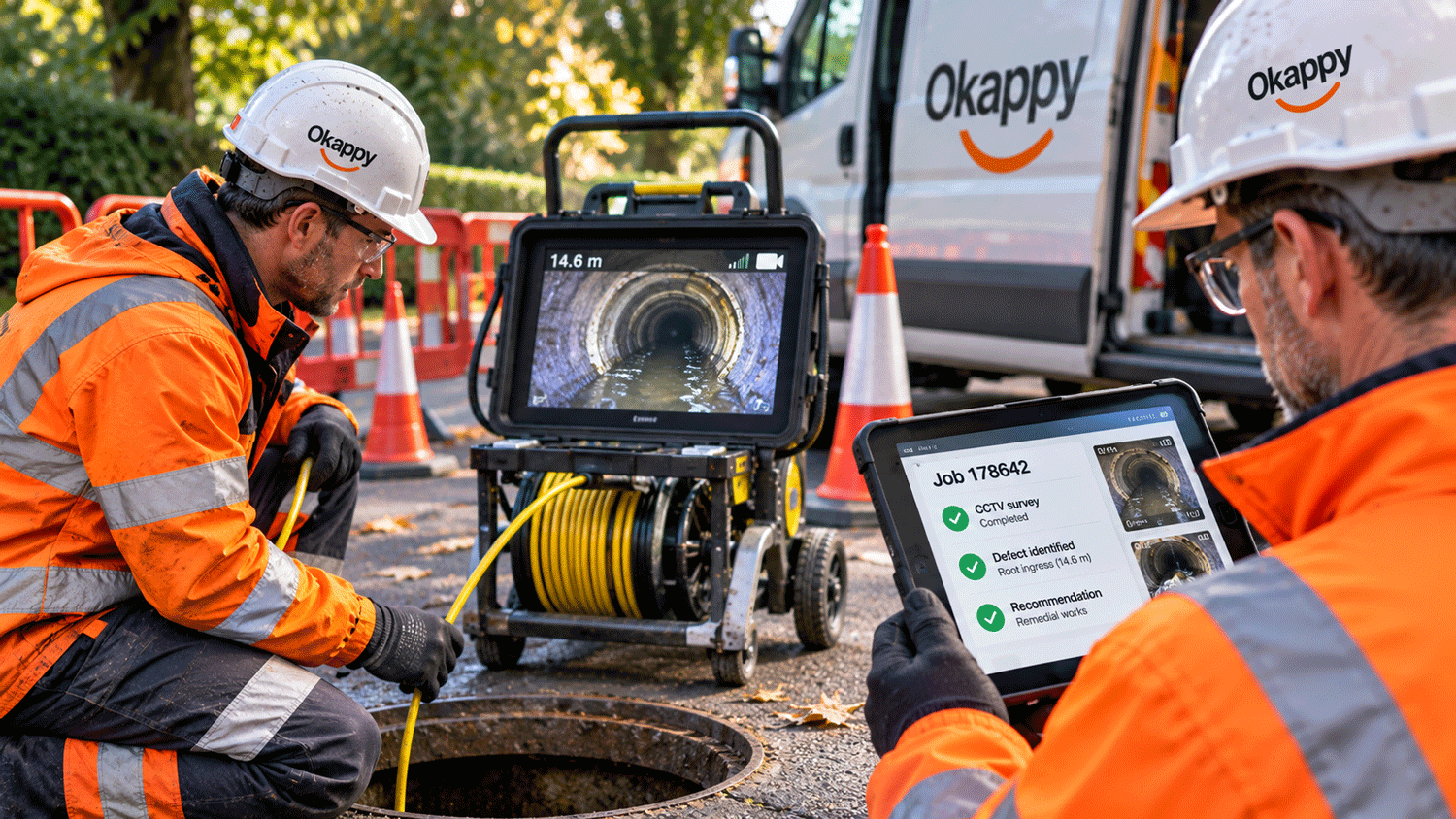
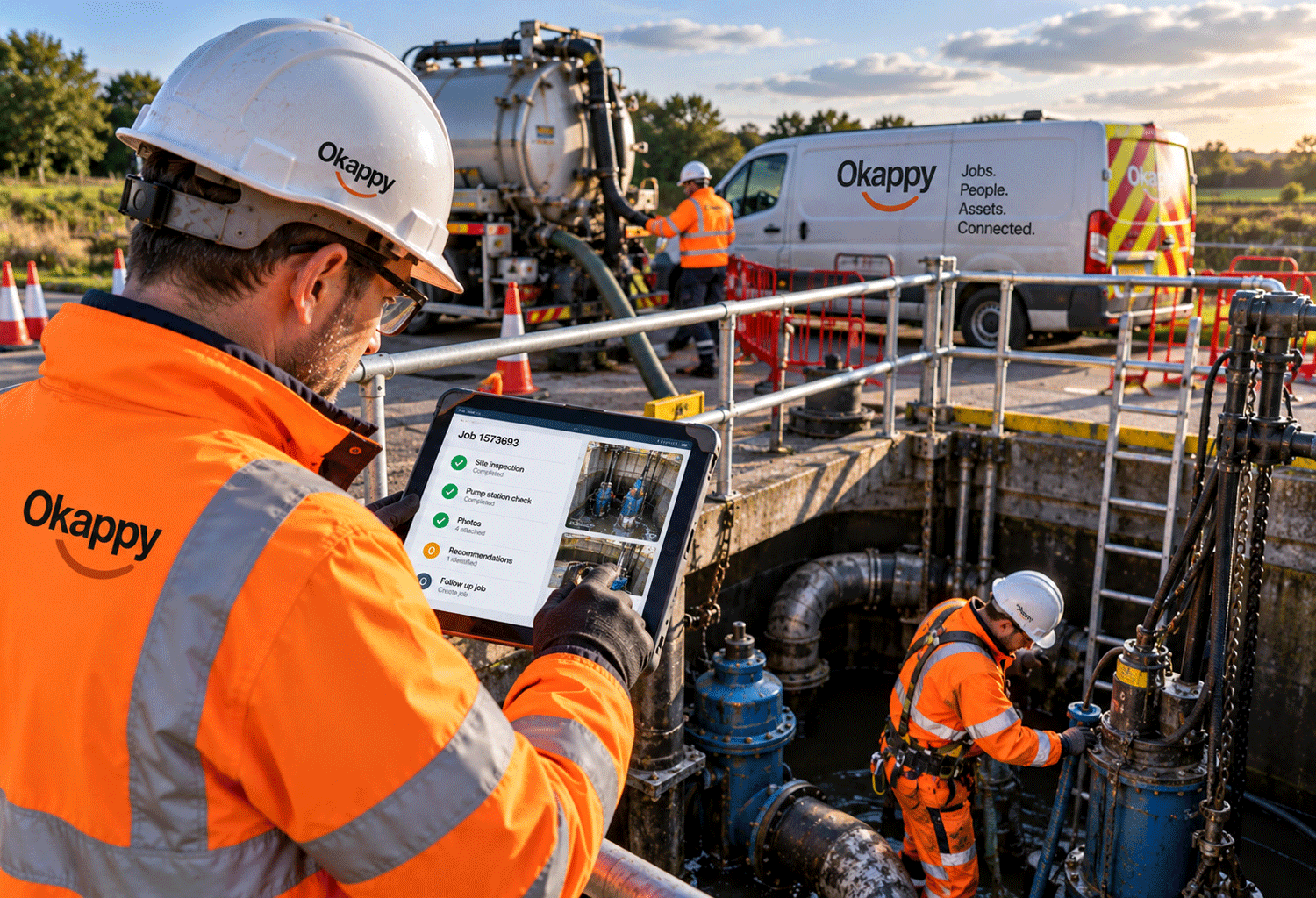
For drainage contractors, this could create opportunities across a broader range of activities, including CCTV surveys, sewer rehabilitation, planned maintenance, asset inspections, pumping station servicing and emergency response.
However, it may also increase operational complexity. Contractors working across several regions could face different priorities, reporting expectations and delivery programmes, making effective coordination increasingly important.
The challenge of delivering work across multiple organisations
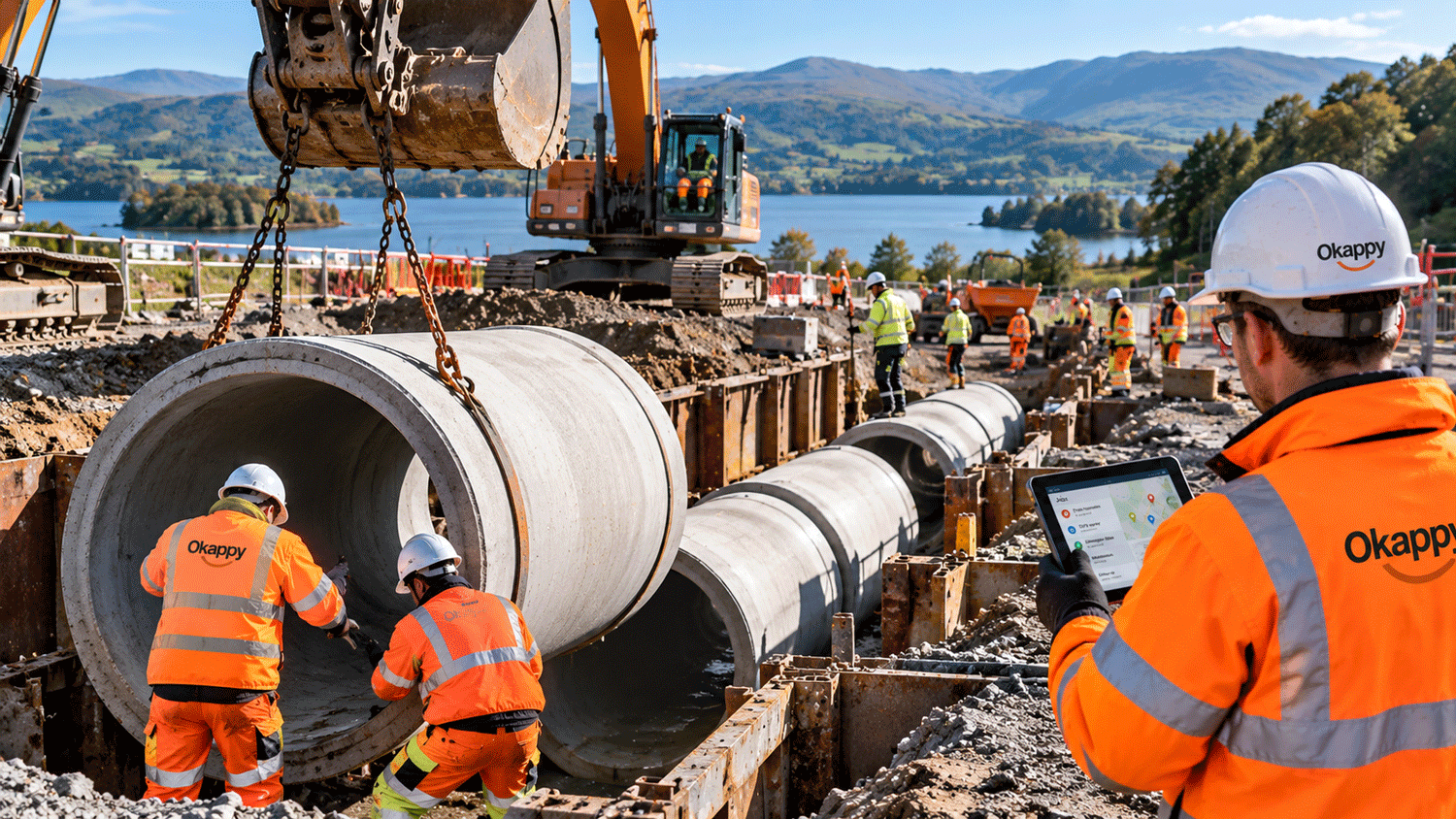
Large drainage and wastewater programmes rarely involve a single organisation undertaking every activity. Water companies, local authorities, principal contractors, specialist subcontractors and facilities management providers often need to collaborate to deliver infrastructure improvements.
Consider a regional programme to reduce sewer flooding across several towns. The initial work might involve surveying existing drainage networks, identifying structural defects, assessing pumping capacity and developing recommendations for remedial works.
Once priorities have been agreed, individual activities may be allocated to different contractors, each responsible for particular locations or specialist services. A CCTV inspection could identify further investigation requirements, while excavation or cleaning work may reveal additional defects that need to be addressed.
The challenge is ensuring that information moves efficiently between the organisations involved. When each contractor operates independently, job updates, inspection results and recommendations can become fragmented across emails, spreadsheets and separate management systems.
For larger organisations responsible for coordinating these activities, maintaining visibility across the entire delivery network is essential.
Why connected field-service management matters
Traditional project-management platforms are well suited to managing major programmes, budgets and milestones. However, the thousands of operational activities required to deliver these programmes often need more detailed coordination.
Connected field-service management can complement project-management systems by helping organisations manage individual jobs, allocate work, capture inspection findings and maintain communication between contractors and subcontractors.
For example, a principal contractor responsible for a regional drainage maintenance programme might allocate jobs to several specialist providers. Each provider can then organise its engineers, complete the required work and return job information to the organisation responsible for the overall contract.
Okappy has been developed around this connected approach, enabling customers, contractors, subcontractors and employees to exchange jobs and operational updates through a shared network.
By maintaining information against individual jobs and assets, organisations can improve visibility of work in progress, reduce duplicated administration and make it easier to identify outstanding activities.
This becomes particularly valuable when delivering large contracts across different geographical areas, where consistent operational processes are needed despite the involvement of multiple independent businesses.
Greater accountability will require better information
The introduction of regional water councils is also intended to increase public involvement and accountability. Local communities will have greater opportunities to influence priorities and scrutinise whether investment is delivering the improvements they expect.
Although the detailed reporting requirements have not yet been established, this direction suggests that reliable operational information could become increasingly important.
For contractors, demonstrating performance involves more than confirming that work has been completed. Customers may also need to understand whether inspections identified defects, whether remedial recommendations were followed up and whether maintenance activities are improving asset reliability.
A completed job sheet provides useful evidence of an individual activity, but connected operational records can help build a more comprehensive picture of the work delivered across an entire contract.
For larger drainage organisations, the ability to retrieve this information quickly can support contract management, customer reporting and continuous improvement.
Using AI to manage regional programmes
As operational programmes become more complex, artificial intelligence could help organisations manage increasing volumes of information without a corresponding increase in administration.
AI agents can potentially interpret incoming work requests, prepare jobs for allocation, summarise inspection findings and help managers retrieve information about previous maintenance activities.
For example, an Operations Director responsible for several regional contracts might want to identify which drainage assets have experienced repeated blockages, which inspections identified outstanding remedial work or where jobs are taking longer than expected.
With structured operational information, AI could help analyse these records and highlight issues requiring attention, reducing the need for manual investigation across numerous individual jobs.
Okappy is developing AI capabilities to support job creation, scheduling and administrative workflows. These technologies offer opportunities to improve efficiency, although their effectiveness will depend on the quality and consistency of the underlying operational data.
An opportunity for larger drainage contractors
The proposed regional water councils arrive during AMP8, a period of substantial investment in water and wastewater infrastructure. Alongside major national programmes, the prospect of greater regional influence could create additional opportunities for specialist contractors and service providers.
However, securing and delivering larger contracts requires more than technical expertise. Organisations must demonstrate that they can coordinate resources, manage subcontractors, maintain reliable records and provide customers with visibility of operational performance.
Contractors that develop these capabilities will be better positioned to respond to changing customer requirements, whether working directly with water utilities, supporting principal contractors or delivering maintenance services for local authorities.
Connecting local priorities with operational delivery
The Government’s announcement represents a potentially significant change in how water infrastructure priorities are established across England. Giving communities and regional leaders greater influence may help ensure investment addresses the problems that matter most locally.
But identifying priorities is only the beginning. Delivering improvements will still depend on the engineers, contractors and specialist service providers responsible for carrying out the work.
For larger drainage organisations, the opportunity lies in connecting local investment priorities with efficient, transparent and well-coordinated operational delivery.
Those that can manage complex supply chains while maintaining clear visibility of individual jobs will be well placed to support the next generation of regional water infrastructure programmes.