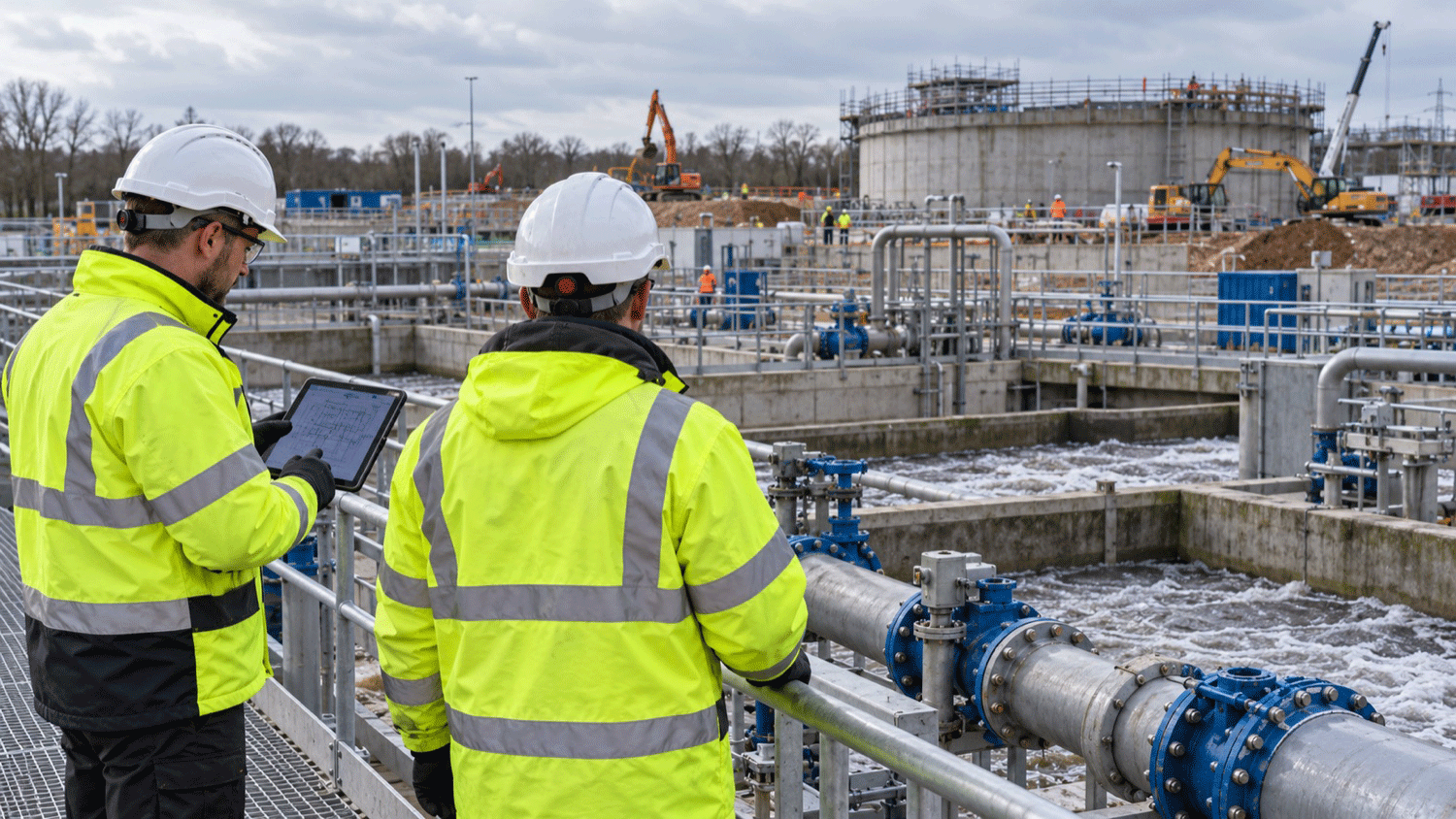
The UK water industry is preparing for another significant period of infrastructure investment, with Thames Water selecting nine contractor teams for its £4 billion Major Projects Framework.
Announced in October 2026, the framework will support major water and wastewater infrastructure projects across London and the South East, with work spanning treatment plant upgrades, new pipelines, pumping stations and associated civil engineering.
But while the headline figure is impressive, there’s a bigger question for the wider drainage industry:
What opportunities could this create for specialist drainage contractors and subcontractors?
Big infrastructure projects need more than big contractors
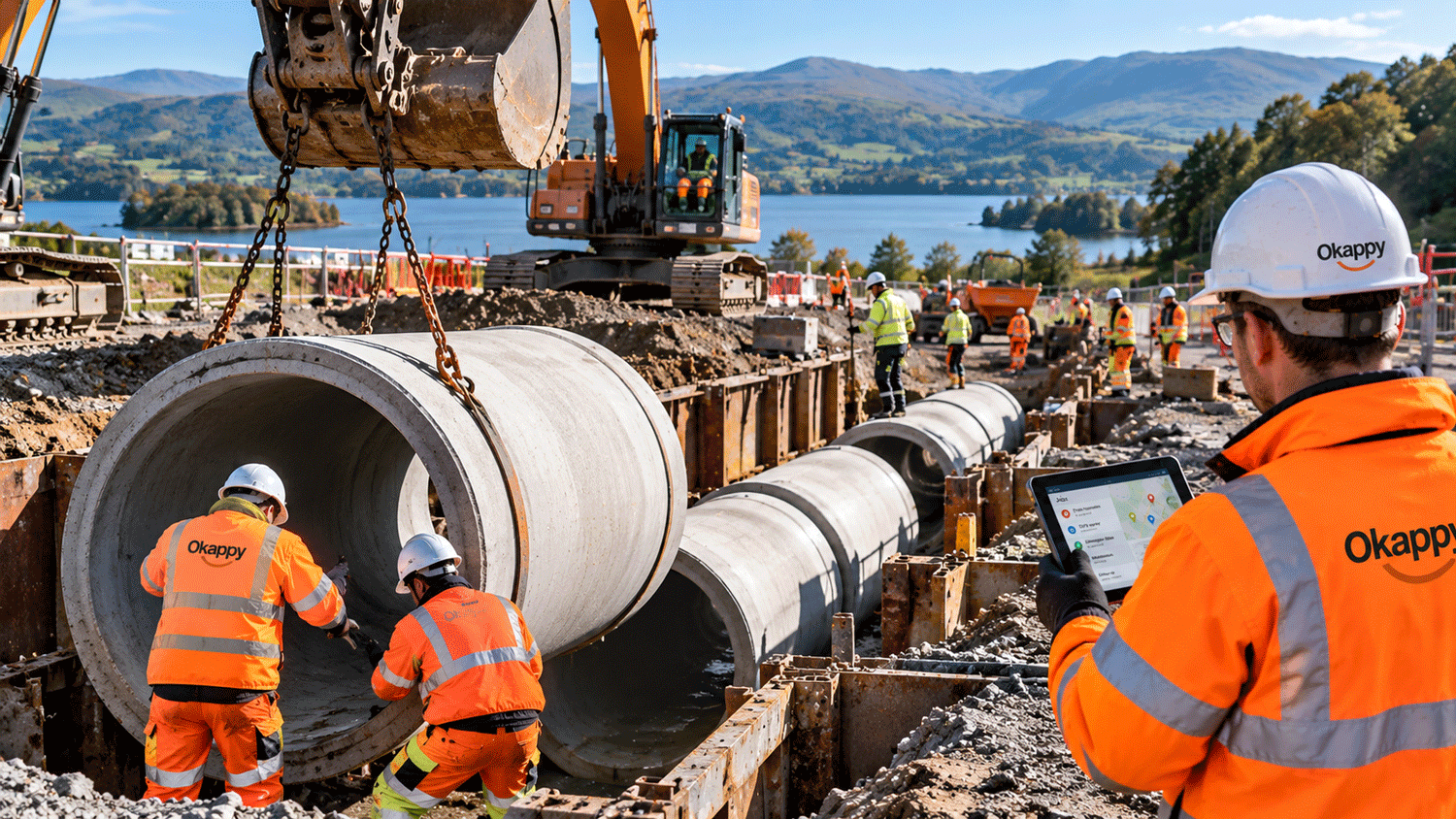
The nine appointed teams include some of the UK’s largest infrastructure and engineering businesses, including BAM Nuttall, Costain, Kier, Galliford Try and Murphy.
However, delivering major infrastructure programmes requires a much wider supply chain.
Behind every large project is a network of specialist businesses providing essential services, equipment and expertise.
For drainage contractors, this could mean opportunities across areas such as:
- Drainage installation, maintenance and rehabilitation..
- CCTV drainage surveys and inspections..
- High-pressure water jetting and sewer cleaning..
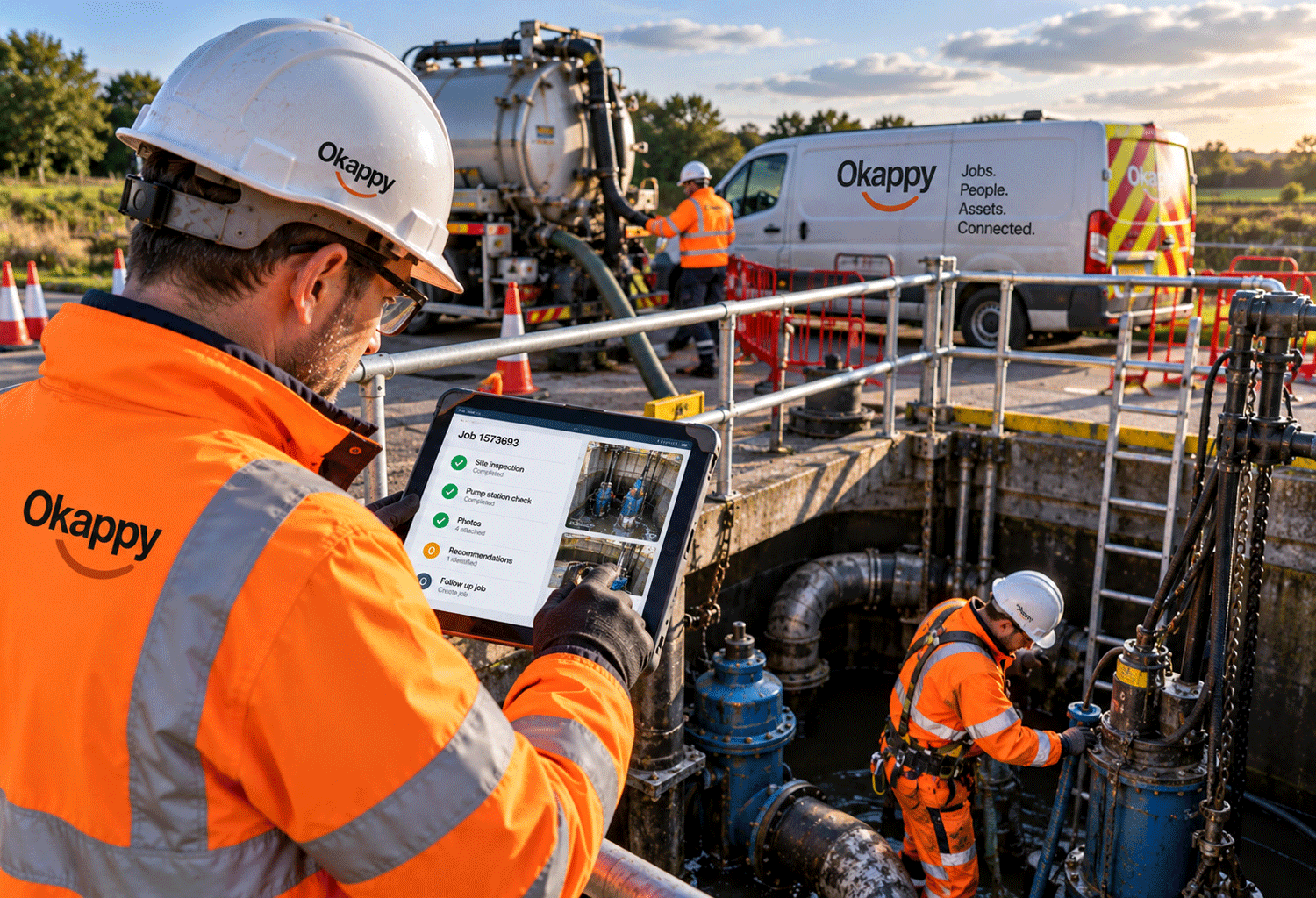
- Tankering and waste removal..
- Excavation and groundworks..
- Specialist maintenance and emergency response..
The exact opportunities will depend on individual project requirements and procurement arrangements, but the wider supply chain will be an important part of delivery.
The challenge: being ready when opportunities arise
For smaller and specialist contractors, winning work isn’t always simply about having the right skills and equipment.
Larger projects often demand robust administration, clear communication, accurate records and the ability to coordinate people and resources effectively.
Contractors may need to demonstrate:
- Evidence of completed work and site activity..
- Accurate job records and photographic evidence..
- Appropriate health and safety documentation..
- Clear communication with clients and principal contractors..
- Reliable invoicing and supporting paperwork..
- The ability to manage multiple jobs and subcontractors..
For businesses looking to work further up the supply chain, having these processes in place can make a real difference.
Is your business equipped for a more connected industry?
As infrastructure investment increases, so does the importance of having visibility across day-to-day operations.
Many drainage businesses still rely on a combination of spreadsheets, paper job sheets, phone calls and separate systems to manage their work.
This can create unnecessary administration, duplicate data entry and delays in getting information from the field back to the office.
Digital job management offers a more connected approach.
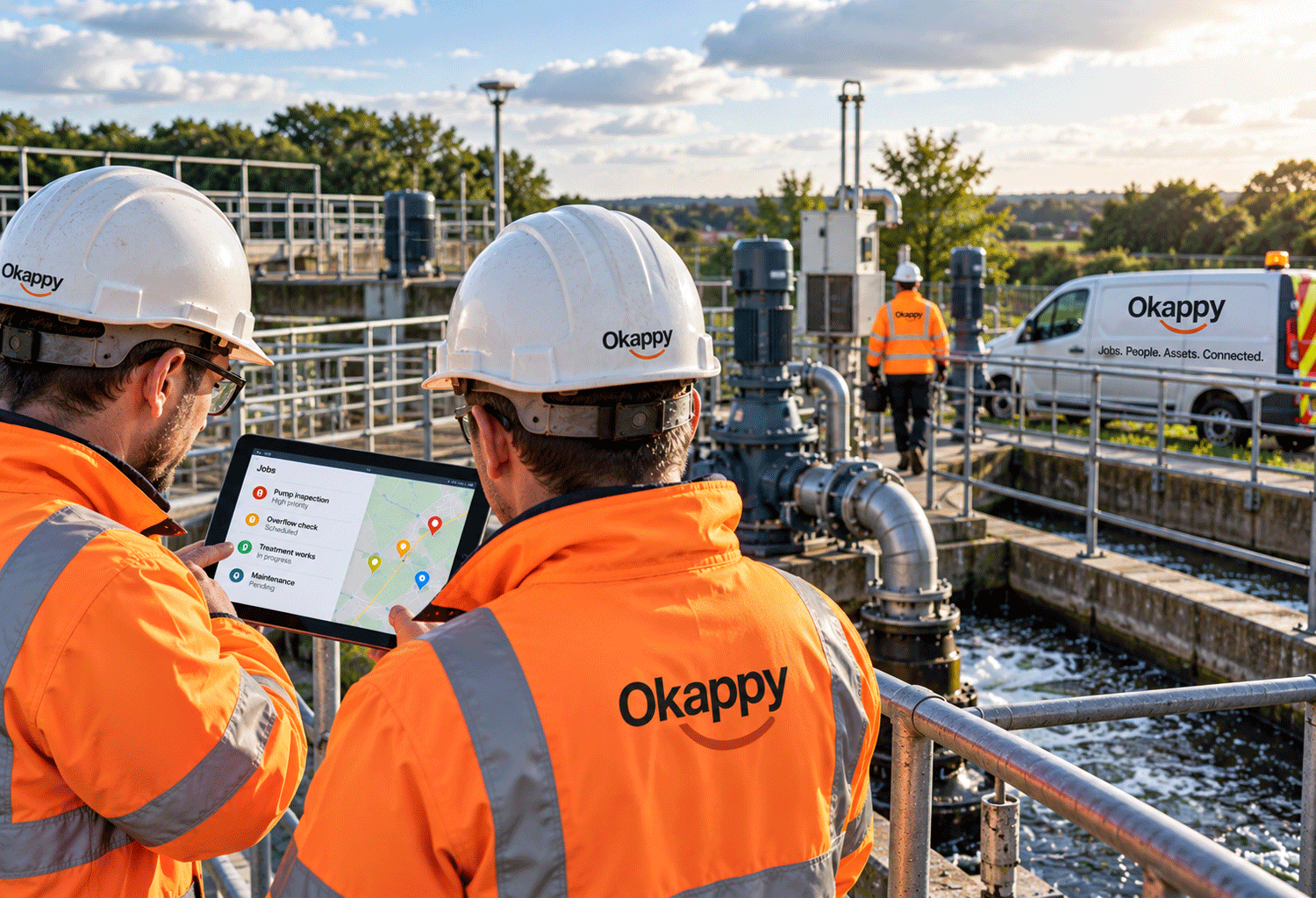
By bringing job scheduling, field reporting, photographs, customer communication and invoicing together, contractors can improve operational visibility and spend less time chasing paperwork.
Looking ahead
The Thames Water framework is one example of the scale of investment taking place across the UK water industry.
For drainage contractors, the message isn’t that £4 billion of work is suddenly available. It’s that major infrastructure programmes create opportunities throughout the supply chain, and businesses need to be ready to respond.
Having the right people, expertise and equipment remains essential. But having the right operational processes behind them matters too.
The question for drainage businesses is simple: if a major contractor approached you with an opportunity tomorrow, would your business be ready?
Okappy helps drainage and field service businesses manage jobs, people, customers and invoicing in one connected platform. Find out how digital job management can help your business reduce administration and stay in control as it grows.