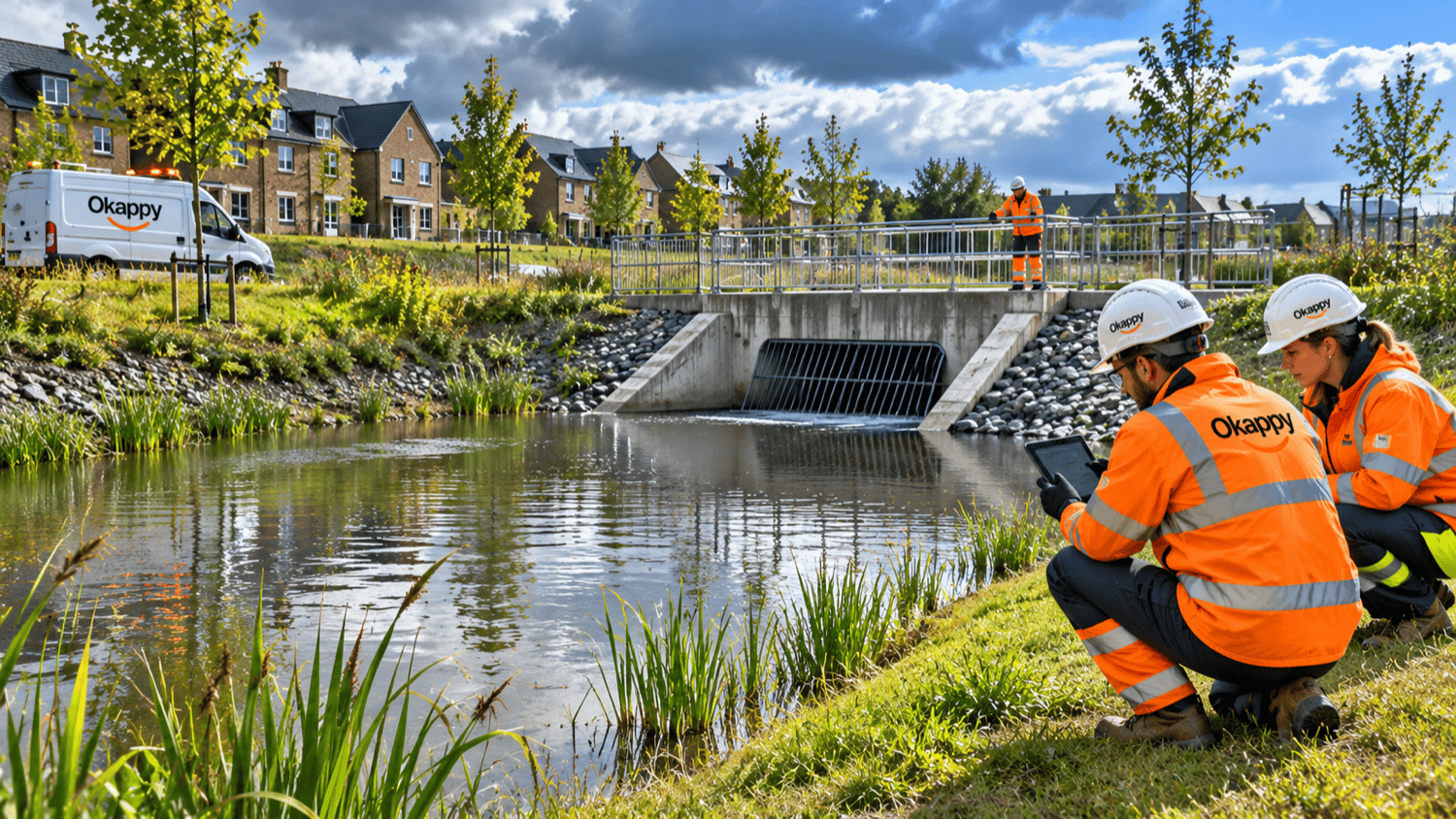
Britain’s drainage and water infrastructure faces an increasingly complicated challenge. While the industry traditionally associates autumn and winter with flooding, recent weather patterns demonstrate that heavy rainfall and water shortages can exist within the same season.
The Environment Agency’s latest national water situation report, published in November 2026, provides a striking example. England received 112% of its average October rainfall, yet reservoir storage remained below seasonal expectations across every region. Almost two-thirds of reservoirs or reservoir groups were still classified as notably or exceptionally low.
For water utilities, drainage contractors, facilities management companies and local authorities, this highlights an important operational challenge. Infrastructure must be capable of managing sudden increases in surface water while also supporting the conservation and efficient use of increasingly stretched water resources.
The organisations best equipped to respond will be those that can coordinate inspections, maintenance, emergency work and specialist contractors across both types of event.
A wetter October has not ended the drought
According to the Environment Agency, England received 101.5mm of rainfall during October, equivalent to 112% of the long-term average. River flows increased at most monitoring locations, and soil moisture deficits reduced substantially.
However, the recovery was far from complete. Reservoir storage increased to approximately 60%, but remained below average for the time of year in every region. Groundwater levels also continued to decline at many monitoring sites.
The figures demonstrate that a period of above-average rainfall does not automatically restore water resources following prolonged dry conditions. Soil moisture, groundwater recharge and reservoir recovery respond differently depending on geography, rainfall intensity and preceding conditions.
For drainage businesses, this creates a difficult planning environment. Operational teams may need to prepare for flooding and surface water problems while customers remain concerned about water shortages and infrastructure resilience.
Why extreme conditions create different maintenance demands
Dry weather and heavy rainfall can affect drainage infrastructure in different ways. Prolonged dry periods may contribute to sediment accumulation in systems with reduced flows, while changing ground conditions can affect vulnerable pipes and structures.
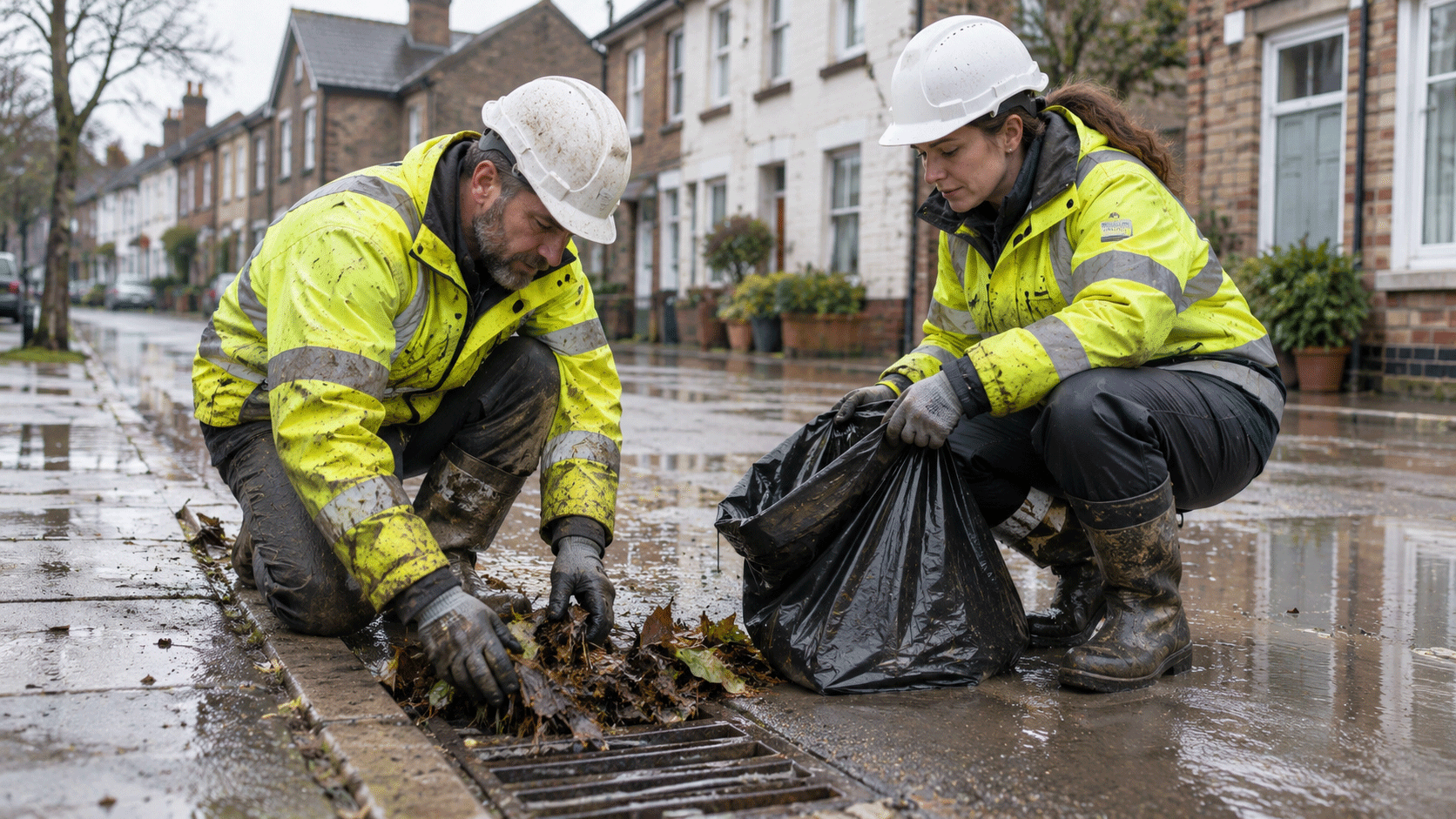
When heavier rainfall arrives, drainage networks can experience sudden increases in demand. Existing restrictions, blocked gullies, damaged pipes and insufficient surface water capacity may become apparent only when systems are placed under pressure.
These problems are particularly challenging for organisations managing large property portfolios, highways, industrial estates or wastewater networks. A drainage asset that appears to operate normally during dry conditions may perform very differently during an intense storm.
This makes regular inspections and preventative maintenance essential, rather than relying exclusively on emergency call-outs after problems occur.
Planning maintenance around changing conditions
For larger drainage contractors, effective preparation starts with understanding which assets are most vulnerable and ensuring appropriate maintenance is undertaken before seasonal pressures increase.
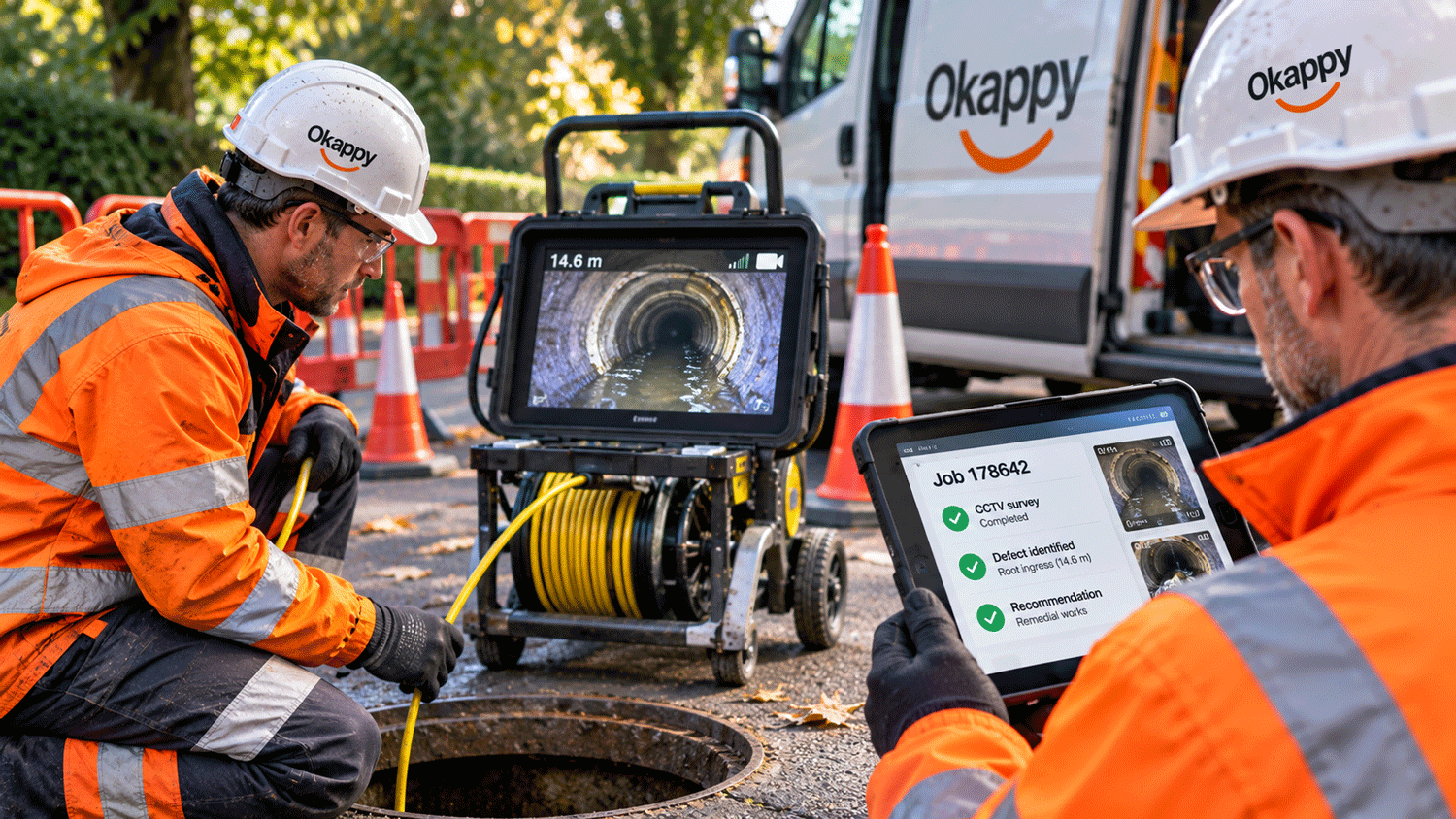
Gully cleaning, CCTV surveys, culvert inspections, pumping station servicing and drainage clearance all play an important role. However, the value of these activities depends on how well they are scheduled and coordinated.
Consider a contractor responsible for maintaining drainage infrastructure across hundreds of commercial properties. Some sites may have a history of surface water flooding, while others contain ageing underground drainage networks or pumping systems requiring regular attention.
Treating every location identically may not be the most effective approach. Maintenance programmes can instead consider asset condition, previous incidents, local exposure and the consequences of failure.
Connected job-management systems can help organisations schedule recurring activities, maintain maintenance histories and identify outstanding work across multiple sites.
Coordinating contractors during periods of high demand
Extreme weather can generate sudden increases in emergency drainage work. Multiple customers may require assistance simultaneously, placing pressure on engineers, specialist equipment and subcontractor availability.
For organisations delivering national or regional contracts, the challenge is not simply finding enough resources. It is allocating those resources effectively while maintaining visibility of work already underway.
A facilities management company might receive flooding reports from several properties during the same storm. Some incidents may require immediate pumping, while others need drainage clearance, investigation or temporary protective measures.
Without reliable operational information, teams can spend considerable time contacting engineers, checking availability and establishing which jobs have been completed.
Connected field-service management can improve this process by enabling work to be allocated, scheduled and updated through a shared system.
Okappy has been developed around connecting customers, contractors, subcontractors and employees, helping organisations coordinate operational activity across company boundaries.
For larger drainage businesses, this approach can support more efficient resource allocation when workloads fluctuate unexpectedly.
Better asset information supports preventative action
One of the most valuable resources available to drainage organisations is the information collected during previous maintenance activities.
CCTV inspection reports, engineer observations, photographs, defect records and maintenance histories can all help identify assets requiring further attention.
However, this information is often distributed across individual job sheets, customer portals and separate contractor systems. As a result, organisations may struggle to establish a complete picture of recurring problems.
For example, a drainage network might experience repeated blockages at the same location. Each incident may be resolved successfully, but the underlying structural defect could remain unidentified or unaddressed.
Maintaining connected records makes it easier to review previous work, identify patterns and ensure that recommendations are followed up.
This is particularly important for larger organisations managing extensive infrastructure, where individual maintenance decisions can have consequences across multiple sites and customers.
The potential role of AI in operational planning
Artificial intelligence could provide additional opportunities to improve how drainage organisations manage changing operational demands.
With suitable information, AI systems could help categorise incoming work requests, identify relevant asset histories, summarise inspection findings and support scheduling decisions.
An Operations Director might want to identify locations that experienced repeated flooding, assets with overdue inspections or maintenance activities that should be prioritised before forecast heavy rainfall.
Traditionally, answering these questions could involve manually reviewing reports and combining information from several systems.
AI agents could potentially make this process more efficient by helping teams retrieve and interpret operational information.
Okappy is developing AI capabilities to support job capture, scheduling and administrative workflows. As these capabilities evolve, they offer opportunities to reduce manual processing and help organisations make better use of their existing operational data.
However, technology cannot replace engineering judgement. Reliable records, appropriate maintenance procedures and experienced personnel remain essential.
Investment alone will not solve the problem
The Government has committed at least £10.5 billion between 2024 and 2036 towards flood defences in England, reflecting the scale of investment required to improve resilience. A new Flood and Drought Resilience Taskforce was also announced in October 2026 to strengthen coordination and preparedness.
Major infrastructure improvements will be necessary, but their long-term effectiveness will also depend on how assets are operated and maintained.
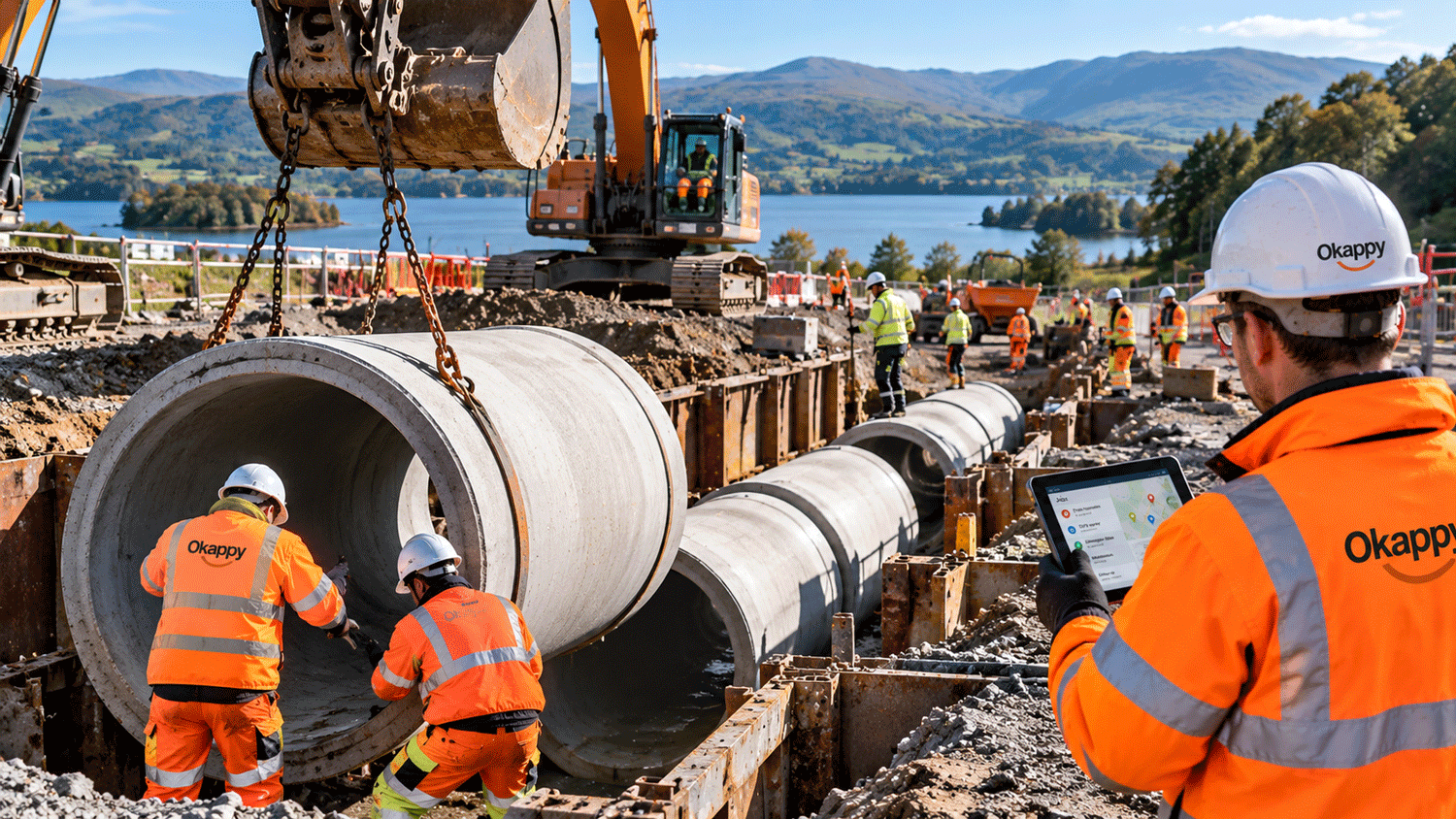
New drainage systems require inspections, pumping stations need servicing and flood protection infrastructure must remain operational when severe weather occurs.
For contractors, this creates opportunities extending beyond construction into long-term asset management, planned maintenance and specialist emergency services.
Organisations that can demonstrate consistent service delivery, reliable operational records and effective coordination across their supply chains will be better positioned to support these programmes.
Building resilience through better operational management
The latest Environment Agency figures illustrate the challenges facing Britain’s water infrastructure. Above-average rainfall can arrive while water resources remain under significant pressure, creating different demands on organisations responsible for managing drainage and wastewater systems.
For larger drainage contractors, resilience depends on more than responding quickly when something goes wrong. It requires an understanding of asset condition, effective maintenance planning and the ability to coordinate resources across multiple locations and organisations.
As weather conditions become more difficult to predict, the ability to connect people, jobs, assets and operational information will become an increasingly important part of delivering reliable drainage services.