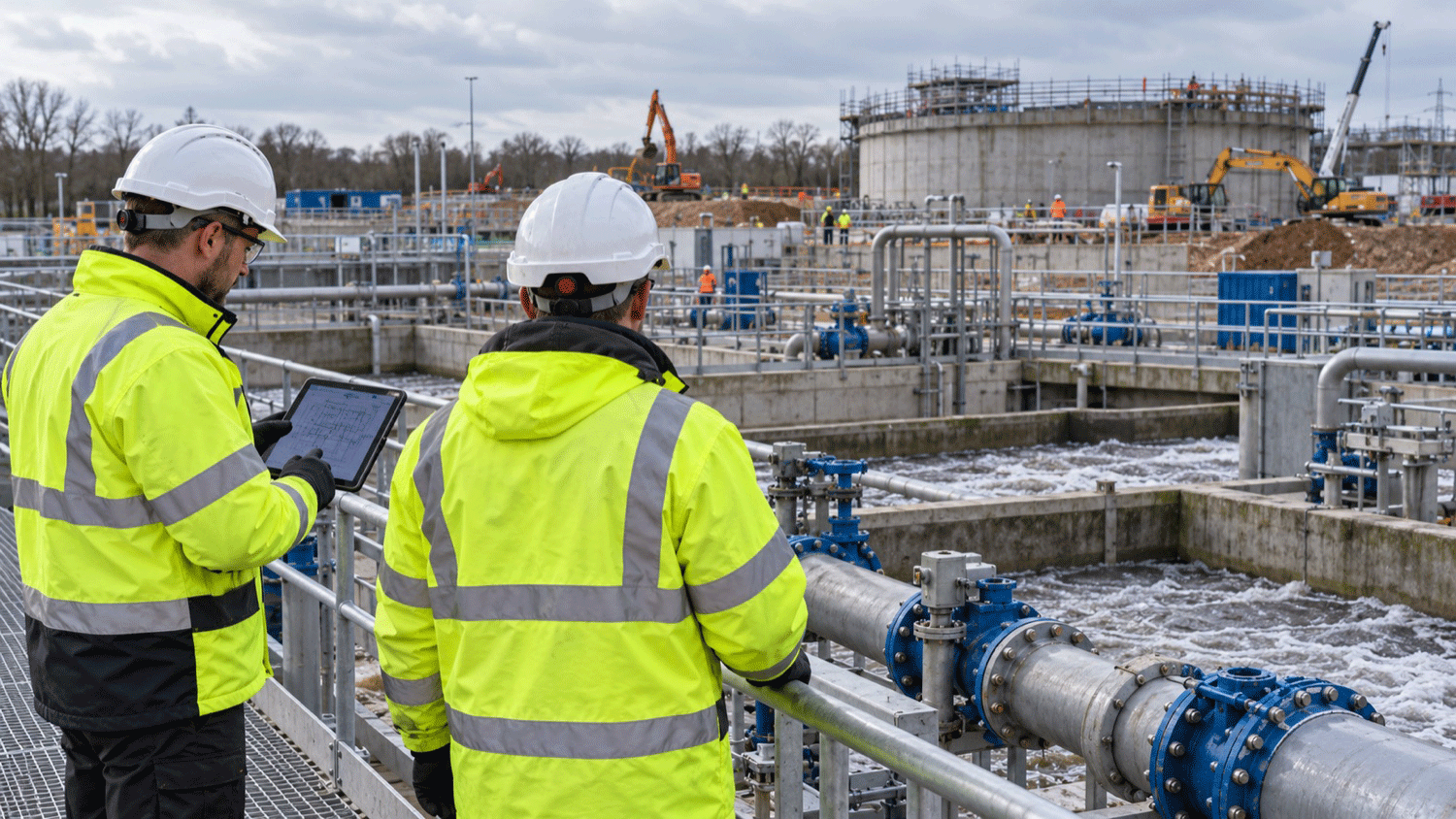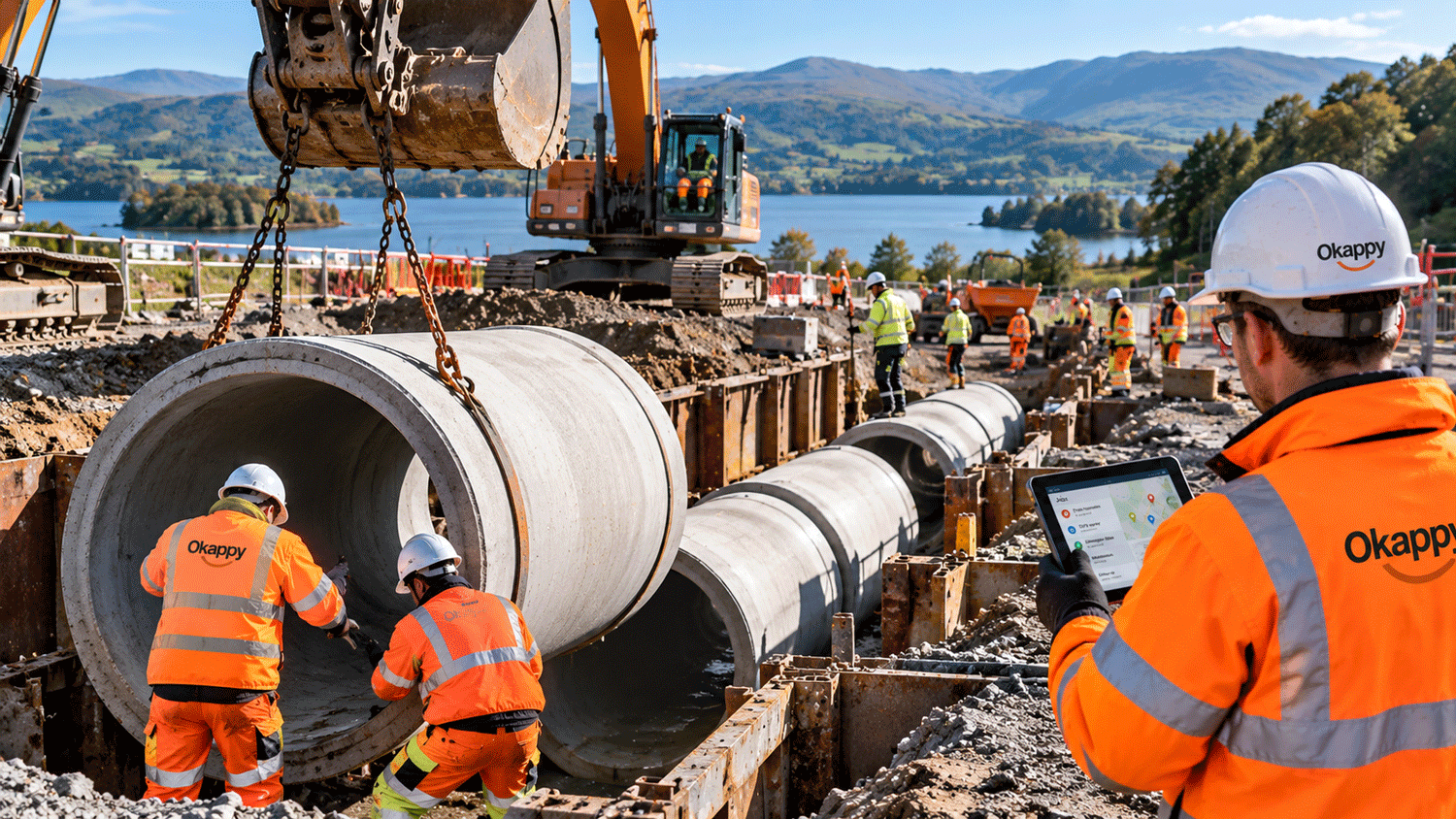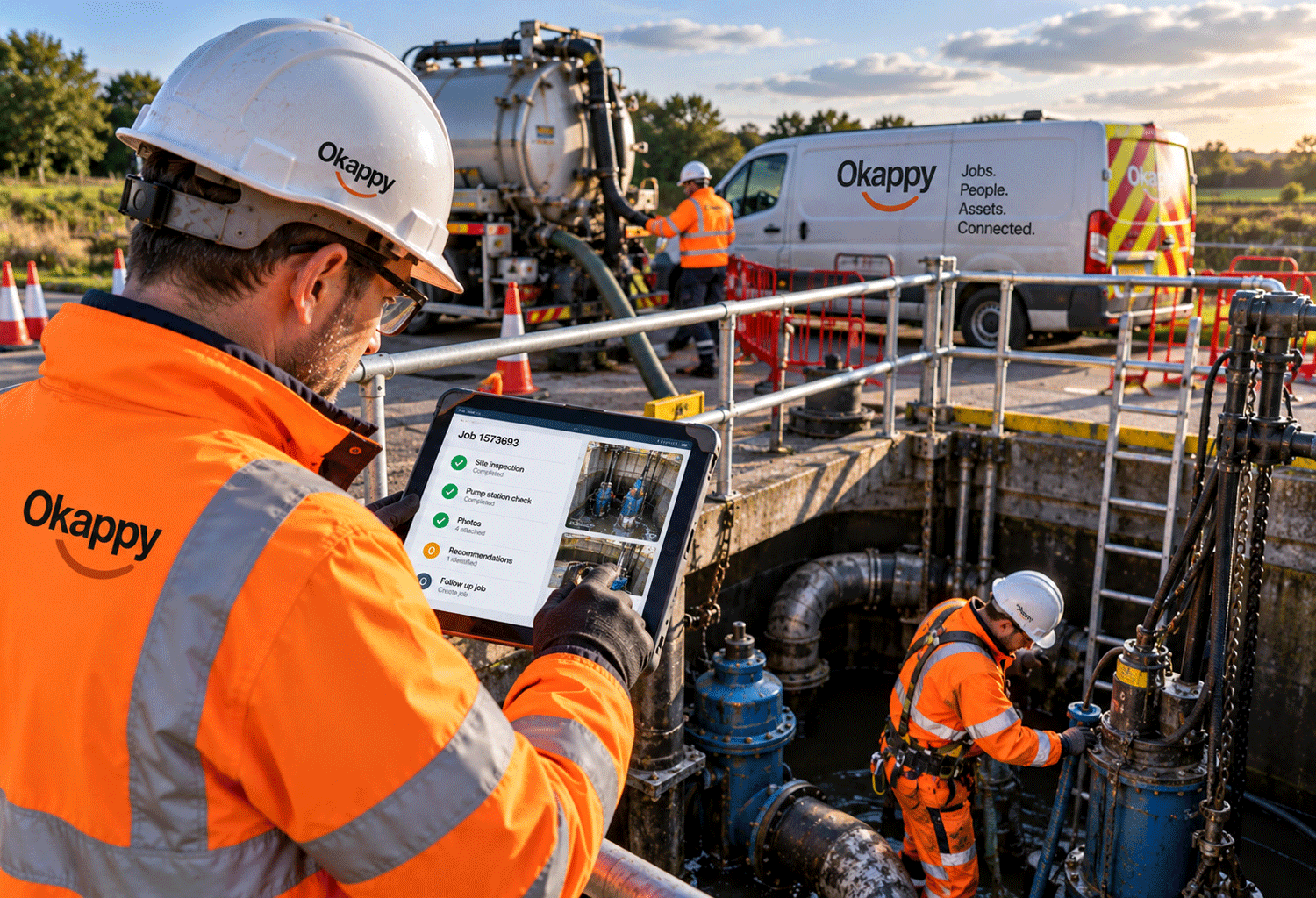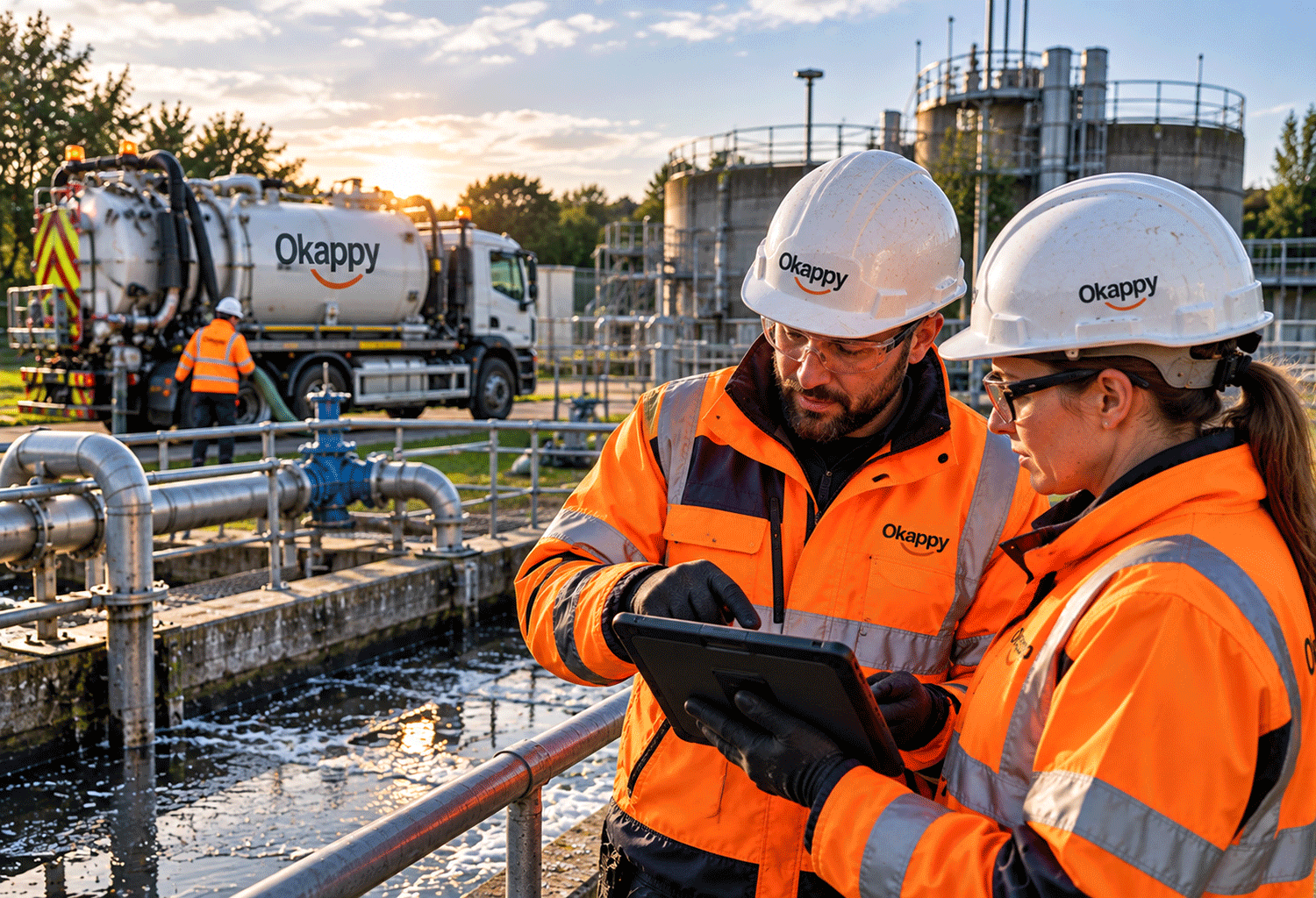
The UK water industry is facing renewed pressure to improve its environmental performance following the publication of the first joint assessment by four major regulators. Released on 29 October 2026, the Water Industry Performance Insights report brings together evidence from Ofwat, the Environment Agency, Natural Resources Wales and the Drinking Water Inspectorate to provide a more comprehensive picture of water company performance.
The findings highlight significant challenges. During 2025, water companies in England and Wales recorded 2,991 pollution incidents, including 84 classified as serious. Meanwhile, 142 of the 2,254 planned environmental improvement actions were not delivered within their required timescales. Although there has been progress in some areas, including reductions in internal sewer flooding, the report demonstrates that substantial improvements are still required.
For drainage contractors, facilities management organisations and water utilities, these findings raise an important question: how can the industry move beyond responding to individual failures and develop more effective systems for identifying, preventing and managing operational risks?
A more complete picture of water industry performance
The joint report represents an important change in how water company performance is assessed. Previously, different regulators published separate assessments covering drinking water quality, environmental compliance, customer service and operational performance. Bringing these findings together makes it easier to understand how organisations are performing across multiple responsibilities.
The results show considerable variation. Drinking water quality remains exceptionally high, with 99.97% of tests meeting regulatory standards. However, environmental performance continues to be a concern, with the Environment Agency’s assessment awarding England’s nine major water and sewerage companies a combined 16 stars out of a possible 36.
The Government has responded by announcing plans for greater scrutiny of underperforming companies, including site visits and further consideration of restrictions on executive bonuses. The message is clear: organisations will increasingly be expected to demonstrate that operational problems are being identified, addressed and prevented from recurring.
Why reactive maintenance is no longer enough
Reactive maintenance will always be necessary in the drainage industry. Blockages, equipment failures, flooding and unexpected infrastructure problems require engineers to respond quickly, often under challenging conditions.
However, responding efficiently to an incident is not the same as preventing the next one.
Consider a pumping station that experiences repeated failures. Each incident might generate an emergency call-out, followed by an engineer attending the site, resolving the immediate problem and completing a job report. From an operational perspective, each individual job may have been completed successfully.
Yet if the underlying cause remains unresolved, the organisation could continue experiencing failures, additional costs and potentially serious environmental consequences.
The challenge is recognising patterns across multiple jobs and ensuring that findings from previous visits inform future maintenance decisions.
For larger drainage organisations managing thousands of assets, this becomes particularly important. Individual engineers may identify recurring problems, but unless their findings are recorded consistently and made accessible to the relevant teams, valuable information can be lost.
Connecting inspections, maintenance and remedial work
Preventative maintenance depends on more than scheduling regular inspections. It requires an effective process for capturing findings, identifying risks and ensuring that recommended actions are completed.
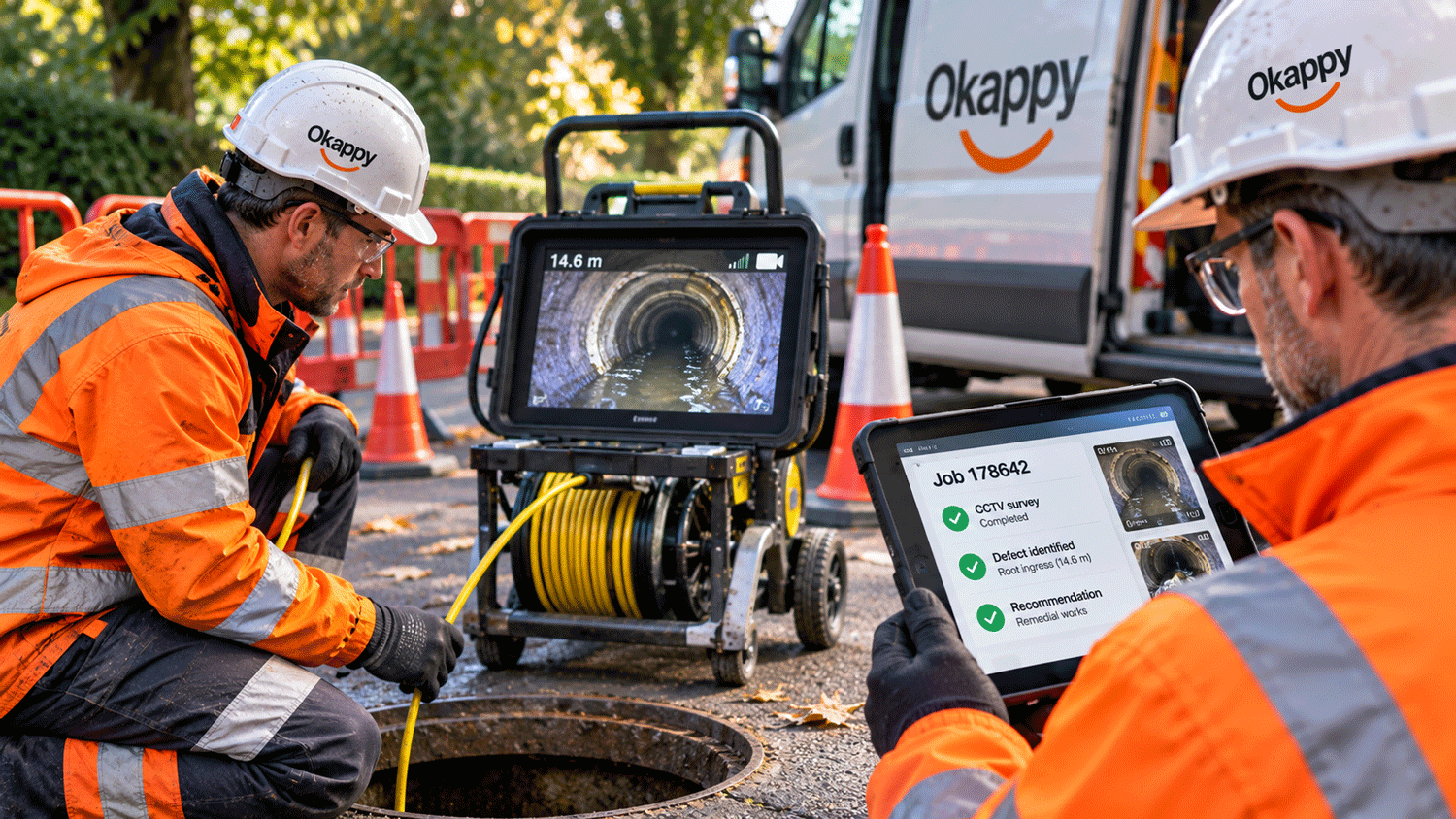
For example, an engineer carrying out a CCTV drainage survey might identify root ingress, displaced joints or structural deterioration. The immediate survey may be complete, but the operational process should not necessarily end there.
The findings may require further investigation, remedial works, customer approval or changes to the asset’s maintenance schedule.
If these activities are managed through disconnected spreadsheets, emails and paper reports, there is a greater risk of recommendations being overlooked or delayed.
Connected field-service management can help organisations maintain a clearer relationship between inspections, identified defects and subsequent work. By recording information against individual jobs and assets, managers can develop a more complete understanding of maintenance history and outstanding requirements.
This is particularly valuable for organisations responsible for extensive property portfolios, wastewater networks or long-term facilities management contracts.
The importance of managing subcontractors
Many larger drainage organisations rely on subcontractors and specialist service providers to deliver work across different geographical areas. This creates additional challenges when attempting to maintain consistent operational standards.
A national contractor may have excellent internal procedures, but those procedures are only effective if the organisations undertaking the work provide accurate and timely information.
For example, a subcontractor attending a blocked sewer might identify a recurring structural problem requiring further investigation. If that recommendation is communicated informally or recorded in a separate system, the principal contractor may not have sufficient visibility to arrange the necessary follow-up.
Connected systems can help address this by allowing work instructions, job updates, inspection results and completion information to be shared between organisations.
Okappy has been developed around this principle, connecting customers, contractors, subcontractors and employees through a shared operational network. Features including job management, checklists, asset records and reporting help organisations maintain visibility across their operations.
For larger businesses, this can support more consistent service delivery without requiring every contractor to operate as part of the same company.
Using operational data to identify recurring problems
One of the biggest opportunities for the drainage industry lies in making better use of the information already collected during everyday operations.
Job records, inspection findings, photographs, engineer notes and maintenance histories can contain valuable information about asset condition and operational performance.
However, this information is often used primarily to confirm that individual jobs have been completed rather than to identify broader trends.
An Operations Director might want to understand which pumping stations generate the most emergency call-outs, which drainage assets require repeated cleaning or whether particular types of defects are becoming more common.
Answering these questions requires information to be structured and accessible across multiple jobs, teams and locations.
Artificial intelligence could make this process considerably easier. AI agents can potentially help analyse maintenance histories, summarise engineer findings and highlight recurring issues that might otherwise require extensive manual investigation.
Okappy is developing AI capabilities to support job creation, scheduling and other administrative workflows. Combined with reliable operational data, these technologies could provide further opportunities to improve how maintenance information is managed and used.
From regulatory pressure to competitive advantage
The latest regulatory findings arrive during AMP8, a period in which water companies have committed more than £104 billion to improving water and wastewater infrastructure between 2025 and 2030.
For drainage contractors, this represents a significant commercial opportunity, but also an expectation that work will be delivered efficiently and supported by reliable evidence.
Major customers increasingly need confidence that contractors can manage planned maintenance, respond to emergencies, maintain accurate records and follow through on identified problems.
Organisations that can demonstrate these capabilities may be better positioned when competing for major utility, infrastructure and facilities management contracts.
The opportunity is not simply to provide more detailed job reports. It is to develop operational processes that connect inspections, maintenance activities, recommendations and remedial work into a more consistent approach to asset management.
Building a more preventative approach
The publication of the first joint water industry performance report highlights the scale of the challenge facing the sector. While substantial investment is essential, lasting improvements will also depend on how effectively organisations manage the everyday activities required to maintain infrastructure.
For drainage contractors, the priority should be to make better use of existing operational information, improve communication between teams and subcontractors, and ensure that problems identified during maintenance are not forgotten once the immediate job has been completed.
The organisations that succeed will be those that move beyond simply responding to failures and use their operational knowledge to reduce the likelihood of those failures happening again.
That is where connected field-service management can make a meaningful difference.